OPD: Mon-Sat · 10:00 AM - 7:00 PM
Brain Surgery
Dr. Shiteez Agrawal
Dr. Shiteez Agrawal M.Ch (Neurosurgery) · MBBS Fellowship in Minimally Invasive Spine Surgery (strength)

Epilepsy Treatment in Jaipur

Are you or a loved one experiencing repeated seizures? Epilepsy can affect daily life and make simple activities feel difficult. Consult Dr. Shiteez Agrawal for Epilepsy Treatment in Jaipur to understand the condition and find suitable treatment. If medicines do not control the seizures, surgery may be an option for some patients after a detailed evaluation.

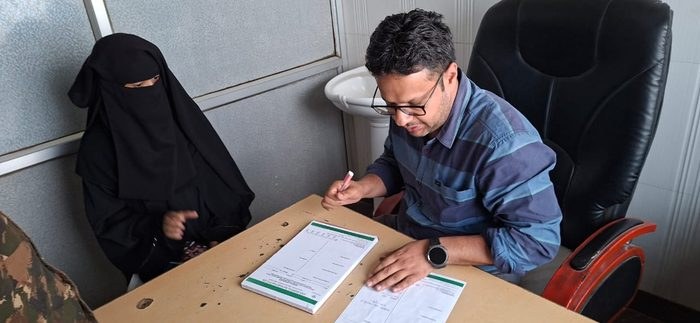
Dr. Shiteez Agrawal consulting patient
10,000+ Successful Surgeries
Overview

What Is Epilepsy?

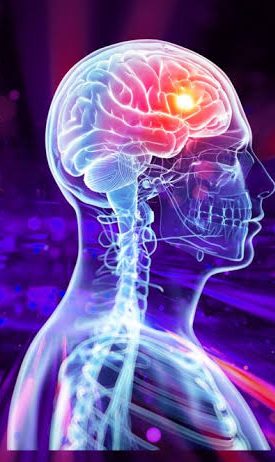
Epilepsy is a brain condition that causes repeated seizures, which can affect a person's awareness, movements, and daily life.

Seizures happen when there is a sudden change in the brain's electrical activity. Some people may stare blankly for a few seconds, while others may lose awareness or experience shaking movements. The cause is not always known, and symptoms can vary from person to person. During Epilepsy Treatment in Jaipur, Dr. Shiteez Agrawal can assess the patient's condition and help determine the most suitable treatment. Medicines control seizures in many people, but when seizures continue despite appropriate medication, a surgical evaluation may help identify whether an operation could be beneficial.

Repeated seizures that may affect awareness, movement, or behaviour.
Brief staring episodes or periods of lost awareness.
Sudden jerking or shaking movements during some seizures.
Medicines to help control seizures and reduce their frequency.
Surgery for selected patients whose seizures remain uncontrolled despite appropriate medicines.

Quick Facts About Epileptic Seizure in Jaipur

3 - 6 hours
Procedure Duration 3 - 6 hours
5 – 7 days
Hospital Stay 5 – 7 days
4 – 8 weeks
Recovery Time 4 – 8 weeks
General anaesthesia.
Anaesthesia General anaesthesia.
Depends on seizure location and surgery type.
Success Rate Depends on seizure location and surgery type.
MRI and video EEG guide.
Technology Used MRI and video EEG guide.
Who Needs Treatment?

Who Needs Epilepsy Treatment?

Epilepsy treatment depends on the type of seizures and how well medicines control them. While many people manage their seizures with medication, Epilepsy brain surgery in Jaipur may be considered for selected patients whose seizures remain uncontrolled despite appropriate treatment.

01

Newly Diagnosed Patients

People diagnosed with epilepsy may need anti-seizure medicines to reduce seizures and lower the risk of future episodes.

02

Patients With Drug-Resistant Epilepsy

People whose seizures continue despite trying two appropriate anti-seizure medicines may need specialist evaluation for surgery or other treatment options.

03

Patients With Complex Treatment Needs

People with difficult-to-control seizures, troublesome medication side effects, or an uncertain diagnosis may benefit from specialised epilepsy care.

04

Patients Experiencing Prolonged Seizures

Seizures lasting five minutes or longer, or repeated seizures without regaining consciousness, require immediate medical attention.

Warning Signs and Symptoms of Epilepsy

What Are the Common Signs and Symptoms of Epilepsy?

Recognising the signs of seizures can help patients and their families understand when medical care is needed. During Epilepsy treatment in Jaipur, identifying these symptoms can help doctors understand the type of seizure and recommend suitable treatment.

Short-Term Confusion

A person may feel confused or disoriented during or after a seizure.

Staring Spells
Staring Spells

Some people stare blankly for a few seconds and may not respond when someone speaks to them.

Muscle Stiffness
Muscle Stiffness

The muscles may suddenly become stiff, sometimes causing the person to fall.

Jerking Movements
Jerking Movements

Sudden, repeated jerking or twitching of the arms, legs, or other body parts may occur.

Loss of Consciousness

Some people may lose consciousness or become unaware of their surroundings during a seizure.

Sensory Changes
Sensory Changes

A person may notice a strange taste, an unusual smell, flashing lights, or blurred vision before or during certain seizures.

Dizziness and Loss of Balance

Some people experience dizziness, difficulty maintaining balance, or an unusual feeling in the stomach, sometimes described as butterflies.

Sudden Emotional Changes

Unexpected fear, anxiety, a feeling that something bad is about to happen, or a strong sense of déjà vu may occur.

Repetitive Movements

A person may repeatedly smack their lips, chew, rub their hands, or make other automatic movements without being fully aware of doing so.

Unusual Speech or Behaviour

Some seizures may cause mumbling, difficulty responding, or temporary changes in behaviour and awareness.

Repeated Twitching
Repeated Twitching

Certain seizures cause repeated muscle movements in one part of the body, such as an arm, leg, or side of the face.

Falls During Seizures

Sudden loss of muscle control may cause a person to fall unexpectedly and sustain an injury.

Experiencing these symptoms? Consult Dr. Shiteez Agrawal Now
Step-by-Step

How Is Epilepsy Treatment in Jaipur Performed?

Dr. Shiteez Agrawal, a Neuro Specialist in Jaipur, reviews the patient's seizure history, test results, and previous medicines before recommending treatment. Medicines help many people control seizures, but when seizures continue despite appropriate medication, a specialist evaluation can determine whether surgery may be suitable.

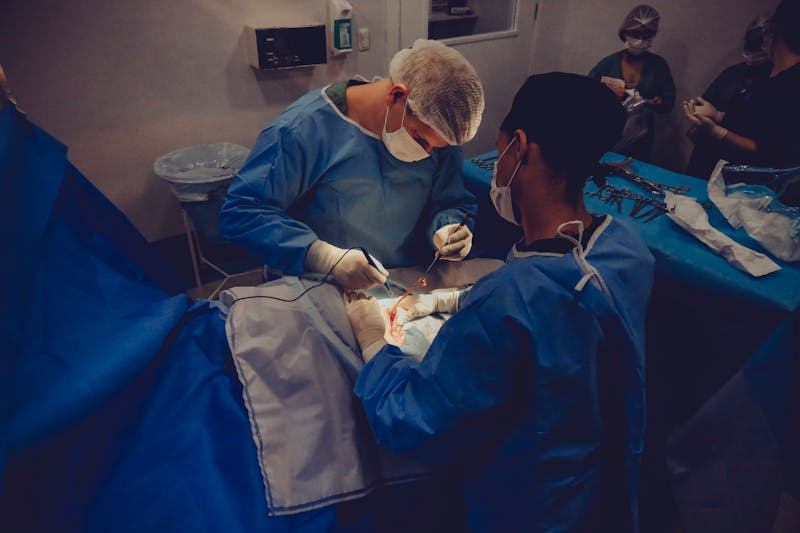
Neurosurgery in progress
99.5% Success Rate
1

Initial Consultation and Seizure Evaluation

The doctor reviews when seizures began, how often they occur, what happens during episodes, previous medicines, medical history, and any injuries or other health concerns.

2

Tests and Diagnosis

An EEG records electrical activity in the brain, while an MRI looks for structural changes. Other tests may be ordered based on the patient's history.

3

Treatment Planning

Doctors review seizure type, test results, and medication history before planning care. If two appropriate medicines fail, referral for surgical evaluation is recommended by specialists.

4

Detailed Evaluation Before Surgery

Video EEG, MRI, and memory or language tests may help locate where seizures begin and assess whether nearby brain areas control important functions before surgery.

5

Choosing the Right Procedure

Based on the results, the team may recommend removing the seizure-causing area or disconnecting pathways that spread seizures. The choice depends on location and safety.

6

Preparation Before Surgery

Before surgery, the team checks overall health, reviews medicines, explains benefits and risks, and provides instructions about fasting, regular medication use, and hospital admission timing.

7

Epilepsy Surgery

During surgery, the patient usually receives general anaesthesia. Depending on the plan, the surgeon removes or treats targeted tissue, or disconnects selected pathways to reduce seizures.

8

Recovery and Follow-Up

After surgery, the patient is monitored in hospital, then attends follow-up appointments. Anti-seizure medicines often continue, and activity increases gradually according to recovery and medical advice.

Advanced Equipment

What Technology Is Used for Epilepsy Treatment in Jaipur?

Modern equipment helps doctors find where seizures begin and plan suitable treatment. During Epilepsy brain surgery in Jaipur, specialised imaging, brain monitoring, and surgical technology may help doctors assess patients and choose an appropriate procedure.

NHBH Hospitals NHBH Hospital, Jaipur NABH

High-Resolution MRI and Functional Imaging
Scans help locate seizure-related changes and map important brain areas.

Video EEG Monitoring
Records brain waves and video to help identify seizure patterns.

Stereo-EEG (SEEG) Electrodes
Thin electrodes record deep brain activity to locate seizure origins.

ROSA Robotic System
Helps surgeons place SEEG electrodes accurately during specialised seizure mapping.

Laser Interstitial Thermal Therapy (LITT)
An MRI-guided laser treats selected seizure-causing tissue through a small opening.

Radiofrequency Thermocoagulation (RF-TC)
Electrodes deliver heat to treat selected tissue linked to seizures.

MRI-Guided Focused Ultrasound (MRgFUS)
Focused ultrasound targets tissue without an incision; epilepsy use remains investigational.

Responsive Neurostimulation (RNS)
Monitors brain activity and delivers stimulation when seizure patterns appear.

Deep Brain Stimulation (DBS)
Stimulates selected deep brain areas to help reduce some seizures.

Vagus Nerve Stimulation (VNS)
An implanted device stimulates the vagus nerve to help reduce seizures.

Benefits of Epilepsy Treatment

The right treatment can help control seizures and make everyday life safer. For selected patients whose seizures continue despite appropriate medicines, Epilepsy surgery in Jaipur may help reduce seizures or, in some cases, stop them completely.

Treatment can reduce how often seizures occur and help patients manage daily activities more comfortably.
Some patients may become seizure-free after surgery, depending on the cause and location of their seizures.
Better seizure control can reduce the risk of falls, injuries, and accidents caused by seizures.
Fewer seizures may help patients participate more confidently in work, studies, family activities, and social life.
Some patients may be able to reduce their anti-seizure medicines after successful surgery, but only under medical supervision.
Effective treatment may improve sleep, emotional well-being, independence, and overall quality of life.

Epilepsy Treatment in Jaipur

Personalised Epilepsy Care and Surgical Evaluation at NHBH Hospital, Raja Park

Epilepsy is a brain condition that causes repeated seizures and can affect a person’s daily life. Treatment depends on the type of seizures, their cause, and how well medicines control them. Dr. Shiteez Agrawal assesses patients and helps them understand suitable treatment options. If seizures continue despite appropriate medication, further evaluation may help determine whether epilepsy surgery is suitable. Patients with specific structural problems involving the skull base may also require assessment for Skull Base Surgery in Jaipur, depending on their diagnosis. The right treatment is chosen according to each patient’s condition and medical reports.


Types of Epileptic Seizures

What Are the Different Types of Epileptic Seizures?

Epileptic seizures are classified according to where they begin in the brain and how they affect awareness, movement, and behaviour. Common types include:

  • Focal Aware Seizures: The person remains aware but may experience unusual sensations, sudden fear, or jerking movements.
  • Focal Impaired Awareness Seizures: The person may become confused, respond less to others, or make repeated movements such as lip-smacking or chewing.
  • Focal to Bilateral Tonic-Clonic Seizures: A seizure begins in one area of the brain and spreads to both sides, causing stiffening and jerking movements.
  • Tonic-Clonic Seizures: The person may lose consciousness, experience muscle stiffening, and then have repeated jerking movements.
  • Absence Seizures: The person briefly stares blankly and may stop responding for a few seconds.
  • Myoclonic Seizures: These cause sudden, brief muscle jerks, often affecting the arms, legs, or upper body.
  • Atonic Seizures: The muscles suddenly lose their strength, which may cause the person to drop their head or fall.
  • Tonic Seizures: The muscles suddenly become stiff, sometimes causing the person to fall.
  • Clonic Seizures: The person experiences repeated, rhythmic jerking movements of the muscles.
  • Unknown Onset Seizures: These are classified this way when there is not enough information to determine where the seizure began in the brain.

What Is the Cost of Epilepsy Surgery in Jaipur?

The cost of epilepsy surgery depends on the patient’s condition, the type of procedure, and the tests required before treatment. During Epilepsy treatment in Jaipur, Dr. Shiteez Agrawal can assess the patient’s medical reports and help determine whether surgery may be suitable. Factors Affecting the Cost of Epilepsy Surgery are:

  • Type of Surgery: The cost varies depending on whether the procedure involves removing seizure-causing brain tissue, disconnecting selected pathways, or implanting a stimulation device.
  • Pre-Surgery Tests: MRI, video EEG, PET scans, and specialised brain mapping may add to the cost when required for surgical planning.
  • Patient’s Condition: The location of seizures, the complexity of the condition, and the patient’s overall health can affect treatment expenses.
  • Hospital Stay: Room charges, intensive care if needed, medicines, and the length of hospitalisation contribute to the total cost.
  • Surgical and Anaesthesia Fees: Surgeon fees, anaesthesia, operating theatre charges, and specialised equipment may affect the final bill.
  • Recovery and Follow-Up: Post-surgery monitoring, prescribed medicines, follow-up consultations, and rehabilitation may add to the overall expenses.

The exact cost can be confirmed after reviewing the patient’s condition, required investigations, and proposed treatment plan for epilepsy or a Brain Tumor. Epilepsy brain surgery in Jaipur should be planned around the patient’s medical needs, with the hospital providing a clear estimate of the expected expenses before treatment.

Consult Dr. Shiteez Agrawal for Epilepsy / Seizure Surgery

Get expert opinion from one of Jaipur's most experienced neurosurgeons


Why Choose Dr. Shiteez Agrawal for Epilepsy Treatment in Jaipur?

Repeated seizures can be worrying for patients and their families. Dr. Shiteez Agrawal helps patients understand their condition and discuss suitable treatment options, including surgery when needed.

  • He reviews the patient’s seizure history, previous medicines, and test reports before suggesting the next steps.
  • If seizures continue despite medication, he can assess whether further evaluation for surgery is needed.
  • MRI and EEG reports help doctors understand where seizures may begin and whether surgery could help.
  • Patients and their families can discuss the possible benefits and risks before deciding on surgery.
  • Treatment is planned according to the patient’s condition, test results, and response to medication.
  • Follow-up visits help check recovery, monitor seizures, and review medicines after treatment.

Life After Epilepsy Surgery in Jaipur

Recovery after epilepsy surgery takes time and can differ from person to person. Dr. Shiteez Agrawal can guide patients on recovery, medication, and follow-up care according to the procedure performed and their overall health. During Epilepsy treatment in Jaipur, following the medical team’s advice is important for safe healing and ongoing seizure management.

  • Mild headaches, swelling around the surgical area, or tiredness may occur during the first few days after surgery.
  • Patients are monitored in the hospital after surgery to check their recovery and manage discomfort.
  • Proper wound care helps reduce the risk of infection and supports healing.
  • Anti-seizure medicines usually need to continue after surgery unless the treating doctor advises a gradual change.
  • Daily activities should be resumed slowly, according to the surgeon’s instructions and recovery progress.
  • Heavy lifting and strenuous activities should be avoided until the medical team confirms they are safe.
  • Follow-up visits help doctors check wound healing, monitor seizures, and review ongoing treatment.
  • Some patients may need rehabilitation or memory and language assessments, depending on the type and location of surgery.
  • Regular follow-up and taking medicines as prescribed remain important, even if seizures stop after surgery.

Post-Surgery

Recovery & Aftercare

Recovery after epilepsy surgery depends on the procedure and the patient's health. During Epilepsy treatment in Jaipur, Dr. Shiteez Agrawal can guide patients on wound care, medication, activity restrictions, and follow-up.

  • 1 First 1–2 Days: Patients are monitored as they recover from anaesthesia; intensive care may be needed after certain procedures.
  • 2 First Week: Headache, tiredness, or swelling around the head or face may occur, especially after open brain surgery.
  • 3 Around 1 Week: A follow-up visit may check wound healing and address any concerns with the surgical team.
  • 4 During the First Few Weeks: Patients should gradually increase activity and avoid strenuous tasks until cleared by the surgical team.
  • 5 Around 4–6 Weeks: Some patients may resume work or studies, depending on recovery, the surgery performed, and medical advice.
  • 6 Around 1–3 Months: Many patients return to usual activities during this period, though some procedures require longer recovery.
  • 7 Long-Term Care: Follow-up visits help monitor seizures, healing, and possible changes in memory, thinking, or other brain functions.
  • 8 Medication Management: Anti-seizure medicines often continue after surgery; patients should only change them under their specialist's supervision.
Dr. Shiteez Agrawal with patient
Your Surgeon

Meet Your Neurosurgeon

Dr. Shiteez Agrawal
15+ Years Exp.

Dr. Shiteez Agrawal

M.Ch (Neurosurgery) · MBBS

Fellowship in Minimally Invasive Spine Surgery (strength)

NHBH Hospital, Raja Park, Jaipur

10,000+Surgeries
99.5%Success Rate
25,000+Patients
4.8 ★★★★★ 17+ Reviews
Common Questions

Frequently Asked Questions

Dr. Shiteez Agrawal

Need Expert Consultation for Epilepsy / Seizure Surgery?

Book an appointment with Dr. Shiteez Agrawal — NHBH Hospital, Raja Park, Jaipur

Contact Us

Reach Out for Expert NeuroSpine Care

Book a personal consultation with Dr. Shiteez Agrawal — Jaipur's most trusted neurosurgeon

Book an Appointment

    Quick Contact

    Our Locations

    Agrawal Brain Spine Clinic

    282, Basement, Vaishali Marg, near TRENDS, Shivraj Niketan Colony, Vaishali Nagar, Jaipur, Rajasthan 302021
    Open in Google Maps

    Nims Heart and Brain Hospital - NHBH

    Nims Heart and Brain Hospital - NHBH, B28, 29, Govind Marg, Raja Park, Jaipur, Rajasthan 302004
    Open in Google Maps
    Inquiry Call Now WhatsApp

    Get Inquiry

    Fill in your details and we'll get back to you shortly.